
Clinical Insight
Gum Disease and Your Body: The Oral–Systemic Connection
Your gums are a window to your overall health. A growing body of research links gum disease — periodontitis — with diabetes, heart disease and pregnancy outcomes. That is why treating bleeding gums is about far more than your smile.
What gum disease really is
Dental plaque is a living biofilm of bacteria. When it is not removed, it triggers an inflammatory response in the gums. Early, reversible inflammation is gingivitis — red, puffy, bleeding gums. If it progresses, the body's own inflammatory response, together with the bacteria, destroys the fibres and bone that anchor the teeth. This is periodontitis, the leading cause of tooth loss in adults.
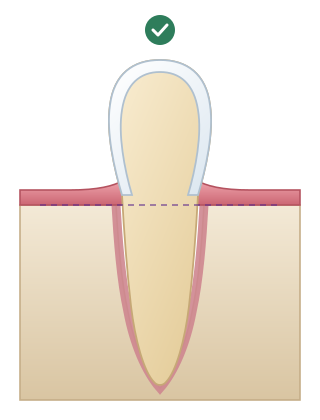
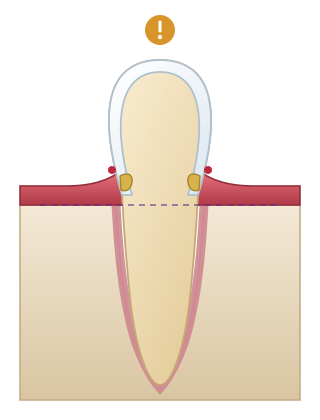
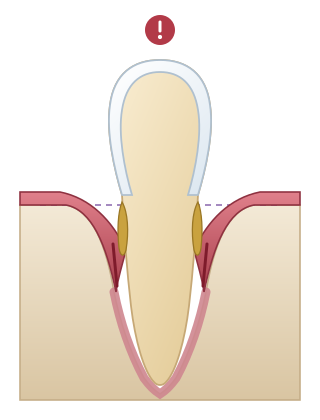
The dashed line marks the original, healthy bone level in all three pictures. Notice that it is unchanged in gingivitis — that is the whole reason early treatment matters so much.
The oral–systemic link
Periodontitis is not sealed off inside the mouth. The inflamed, ulcerated lining of deep gum pockets allows bacteria and inflammatory mediators to enter the bloodstream, contributing to inflammation elsewhere in the body.
Diabetes — a two-way street
The link is bidirectional: high blood sugar makes gum disease more severe, and severe gum disease can make blood sugar harder to control. Encouragingly, treating periodontitis has been shown to support better glycaemic control — a vital point given the high prevalence of diabetes in India.
Heart and blood vessels
Many studies associate periodontitis with a higher risk of cardiovascular disease. A direct cause-and-effect is still being researched, but chronic inflammation is a shared thread — and healthy gums are a sensible part of heart-healthy living.
Pregnancy
Gum disease during pregnancy has been associated with adverse outcomes such as pre-term and low-birth-weight babies. Gentle professional cleaning is considered safe and is recommended during pregnancy.
Lungs and vulnerable patients
Inhaled oral bacteria can contribute to respiratory infections, particularly in older adults and people who are already unwell.
Why this matters especially in Bihar
Two local factors raise the stakes. First, widespread use of tobacco, paan and gutkha dramatically worsens gum disease and is a leading cause of oral cancer. Second, the high and rising prevalence of diabetes feeds the gum-disease cycle. Together, they make routine gum care a genuine health priority — not a cosmetic luxury.
Warning signs you should never ignore
- Gums that bleed when brushing or eating
- Persistent bad breath or a bad taste
- Red, swollen or receding gums
- Loose teeth or new gaps appearing
How gum disease is treated
Early disease responds very well to professional scaling and improved home care. More advanced cases need deep cleaning (root planing) below the gumline, and occasionally minor surgical procedures. The earlier it is caught, the simpler the treatment — and the more teeth we keep.
Noticing bleeding gums or bad breath? Learn about our gum treatment & cleaning, or book a check-up — call 95726 63116.
Frequently Asked Questions
Can gum disease really affect diabetes?
Yes. The relationship is two-way: poorly controlled blood sugar worsens gum disease, and severe gum disease can make blood sugar harder to control. Treating periodontitis can support better glycaemic control, which is important given how common diabetes is in India.
Are bleeding gums serious?
Bleeding gums are the earliest sign of gum disease and should not be ignored. At this stage it is usually reversible with professional cleaning and good home care. Left untreated, it can progress to bone loss and tooth loss.
Does treating gum disease help my overall health?
Good gum health reduces the chronic inflammation linked with several systemic conditions. While dental care is not a substitute for medical treatment, controlling gum disease is a sensible, evidence-aligned part of looking after your whole-body health.